
Top 10 Ways Occupational Therapy Can Help Adults
Occupational Therapy has many benefits for physical and mental illness, allowing adults to live a healthier and longer life. Aevum Health explains how we can help you.
Exercise Physiology Explained - What You Need To Know
Exercise physiologists help those with physical and mental illness, or injury, recover through safe and effective exercise plans. Contact Aevum Health to learn more.
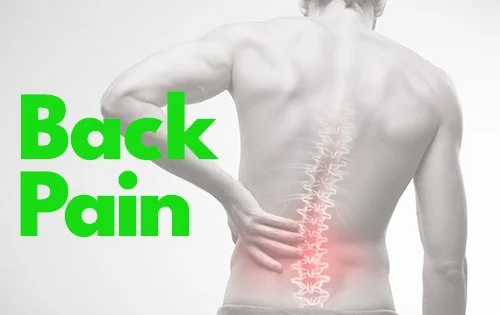
Common Back Injuries and How Physiotherapy Can Help
Whether you have sore muscles, a bulging disc, arthritis, or something else, physiotherapy treatment can help you feel better quickly, as Aevum Health explains.
Benefits of Exercise For People With Autism
My name is Leah and I am an accredited Exercise Physiologist. I wanted to provide the Autism community with some information on the benefits of exercise physiology (EP) for ASD. It is so important for individuals and families to know what EP is and how important is for those with autism.
Exercise for Parkinson’s Disease
Neurological diseases are one of the leading causes of disability worldwide (1). Among this, Parkinson’s Disease (PD) It is the second most common neurological condition in Australia and it is estimated that PD will affect 8.7-9.3 million people worldwide by 2030 (2). Being such a significant health burden, it is paramount to minimise this and work to find appropriate treatment, management and an eventual cure. Thankfully, exercise is deemed a safe and cost-effective preventative tool to manage idiopathic PD with mild to moderate symptoms and improve the overall quality of life of those affected.
AUTISM: REACHING YOUR FULL POTENTIAL WITH EXERCISE
Autism Spectrum Disorder is a condition we, as allied health professionals, are starting to learn more and more about all the time. The technical description of Autism is a “neurodevelopmental syndrome where significant deficits are present in communication and social reciprocity”1. This essentially means that individual’s with Autism, have difficulties with communicating and interacting socially. Additionally, Autism populations can also show characteristics such as repetitive behaviors and restrictive interests2. We knew that in 2015, there were 164,000 Australians diagnosed with Autism3. It is important to note however that no two individuals with Autism are the same. Autism can be classified as either mild, moderate or severe and while there is no cure for Autism, there are many different therapies that can help people achieve their full potential! One type of therapy which we know is significantly beneficial for this type of disability is exercise therapy. Find out below why!
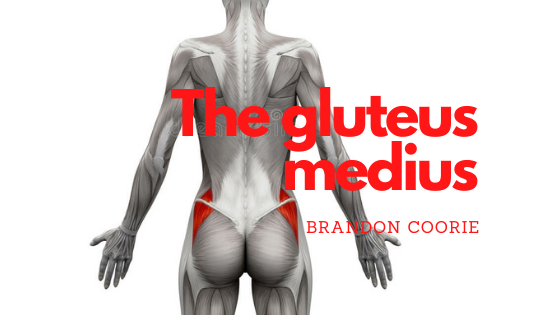
The under appreciated... Gluteus medius
One of the most important muscle groups in the human body is the gluteals. The gluteal muscles are typically referred to as the bottom muscles, and include the gluteus maximus, gluteus medius and gluteus minimus. Collectively, they are responsible for many of the movements of the hip. Each gluteal, however, plays specific and important roles when it comes to every-day function and performance. In this article, we’ll be covering the gluteus medius- what it does, what happens when it is weakened or dysfunctional, and what you can do at home to strengthen it.
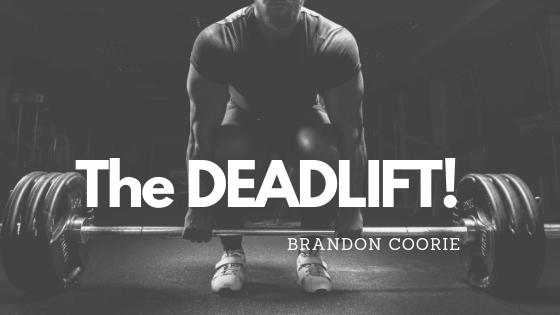
The DEADLIFT!
Before going any further, it is important to clear up what is meant by a 'deadlift'. A deadlift, in its simplest terms, is an exercise that involves bending at the hip, picking up something (usually a barbell), and then returning to an upright position while maintaining grip of the barbell. Although it sounds relatively simple, it is quite a complex exercise to perform. With that said, it can be learned by almost anyone in a safe and effective manner with the guidance of an exercise physiologist.
Physiotherapy and Multiple sclerosis (MS)
Multiple sclerosis (MS) is an autoimmune condition affecting the central nervous system. MS is caused by a complex number of factors including genetics, viral infections and environmental factors including smoking, low vitamin-d and sunlight exposure as well as others. Epidemiology studies have also confirmed that the incidence of MS rises the further you move away from the equator. Closer to home research indicated that approximately 7 million people in Australia know someone with MS and 2.7 million people have a close friend or family member with the condition. This shows the level of prevalence in Australia and these numbers are further reflected here in the Sutherland Shire.
All About Postural Orthostatic Tachycardia Syndrome (POTS)
When a healthy individual transitions from lying to standing, fluid in the blood (but not blood itself) transitions from blood vessels to the interstitial space (the space in between blood vessels & organs). This results in reduced circulating blood volume. Reduced blood volume then means that with each heart beat, less blood is pushed around the body (this is known as a reduction in stroke volume). Normally when stroke volume reduces, there occurs a compensatory mechanism (a response from the sympathetic nervous system, the “fight or flight” pathway), to increase heart contractility (the force of each heart beat) and heart rate. Together, this response boosts stroke volume back up, so that sufficient blood can continue to be pushed around the body, despite standing.
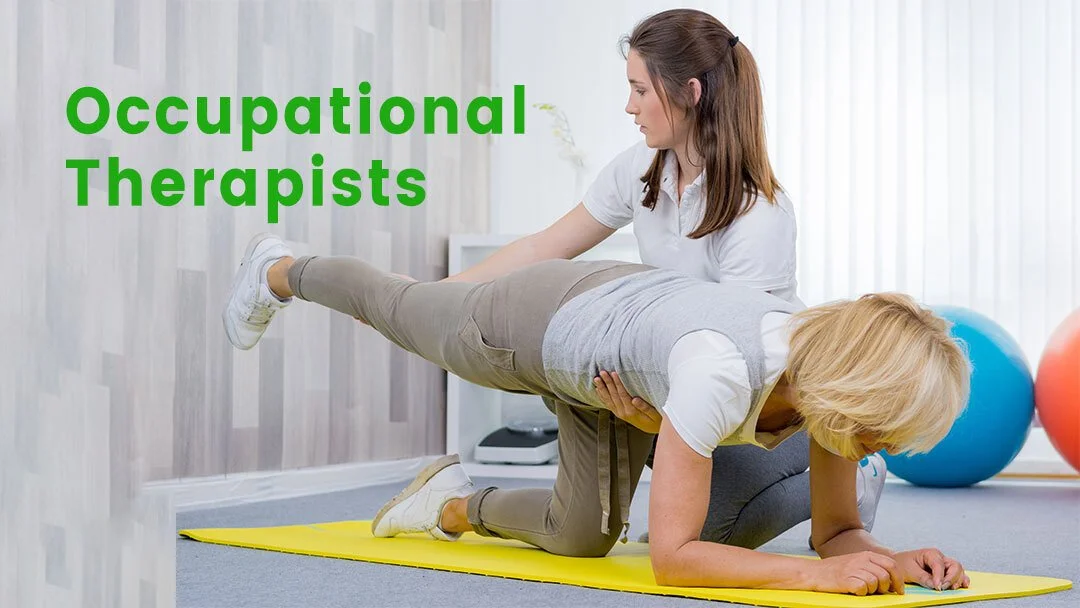
What Do Occupational Therapists Do?
There is a wide range of experts in the allied health profession. Often, you hear different names and wonder what services they do and if they are the right option for you.
Lift weights to lose fat...
A newly published study has revealed that strength training reduces body fat. This means that in addition to aerobic training and calorie restriction, we now have another tool in our tool kit when it comes to reducing body fat- something very exciting!
Creaky Knees - Should You Be Worried?
Have you ever heard your knees click? Or felt them grind or pop?
If so, has this ever worried you?
Tips for Working at Home
A poor working from home set up can increase your risk of developing pain or injury – especially around your neck and shoulders. Setting up a proper work space can have positive effects on your posture and body, as well as your productivity!
Here are 4 tips to help you improve your work set up at home!
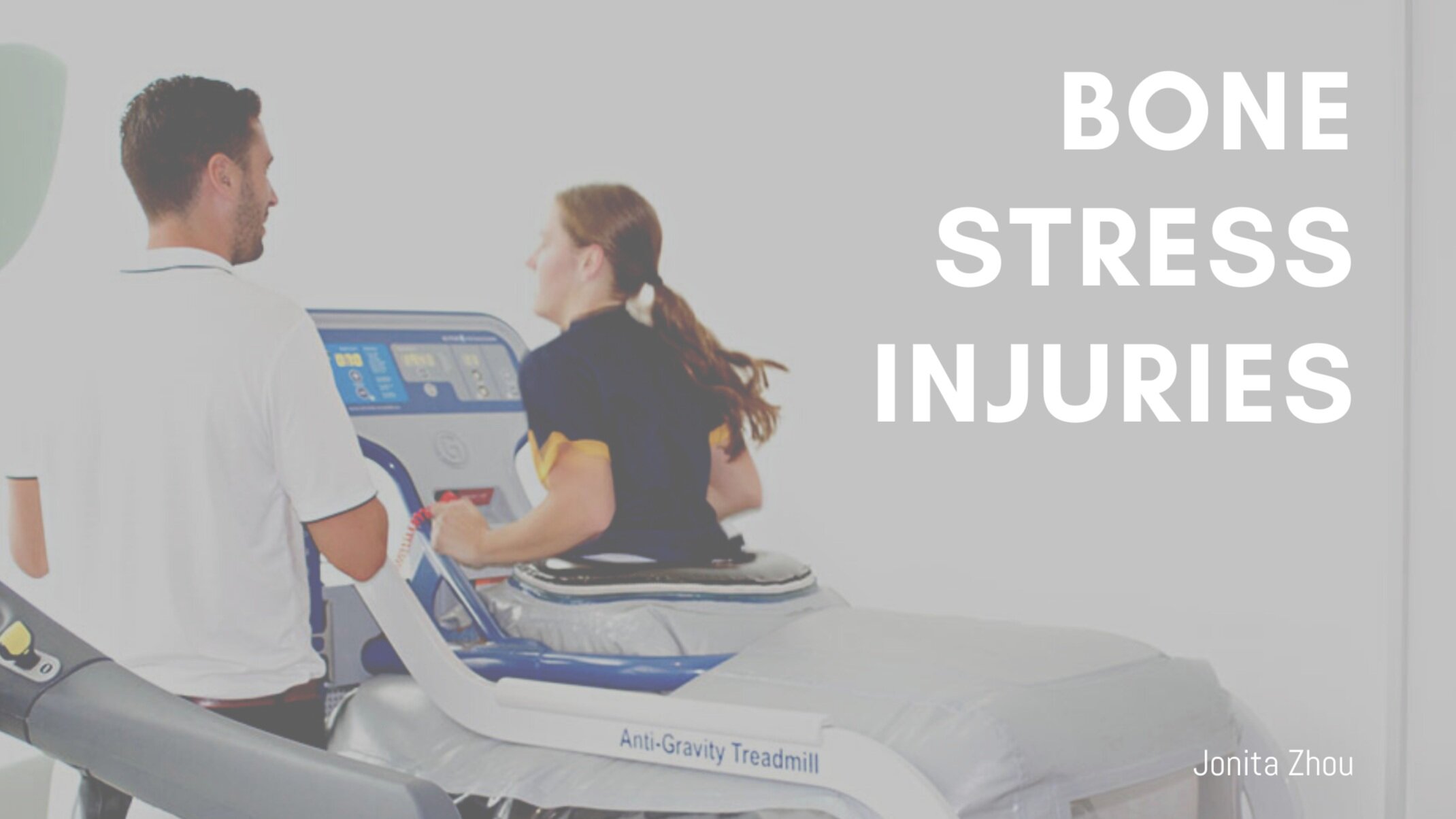
Bone Stress Injuries in Runners
What are bone stress injuries? How do we prevent or treat them?
How can an exercise physiologist assist you in achieving your NDIS goals?
We are proud to say that we are the largest NDIS provider in the Sutherland Shire- each and every day, we help numerous individuals who are on the NDIS achieve their goals. While it is often clear-cut as to how a physiotherapist can assist, many individuals are not sure of the role of exercise physiologists.
Shin splints
Shin splints is caused by increased muscle tension creating stress and pulling on the posterior medial edge of the tibia. Read on to see what causes shin splints, and how this condition can be treated.
The Talk Test: Gauging Moderate Intensity
It can sometimes be difficult to truly understand what moderate intensity exercise actually is or how it is meant to feel. It is intuitive to say when something is ‘easy,’ or ‘light,’ or whether something is ‘hard,’ or ‘heavy,’ but the concept of ‘moderate’ is a bit more grey.
Rate of Perceived Exertion (RPE): An Overview
This blog post will delve into what RPE is and its importance, two commonly-used RPE scales and the relationship between RPE and reps in reserve (RIR).
Introducing Aevum Bubs Club
Aevum Bubs Club is a program aimed to bring new parents of the Shire community together, empowering families with tips and tricks to support your little one's physical skill development. It involves interactive classes within a relaxed and intimate environment, where you're getting to meet other parents with young bubs.